Chemistry Practical Project Submission at MAK Computer
Practical learning is one of the best ways for students to understand what they study in the classroom. Instead of only reading about concepts in books, students get the opportunity to observe, experiment, create models, and explain their ideas in their own words. At MAK Computer, students recently took part in a Chemistry Practical Project Submission, where they presented their projects with great enthusiasm and creativity.
The project submission was not just about completing an assignment. It was an opportunity for students to learn through teamwork, creativity, research, and practical activities.
A Day of Learning and Creativity
The practical project submission brought together students with different ideas and interests. Students prepared their projects carefully and presented them in front of teachers and visitors.
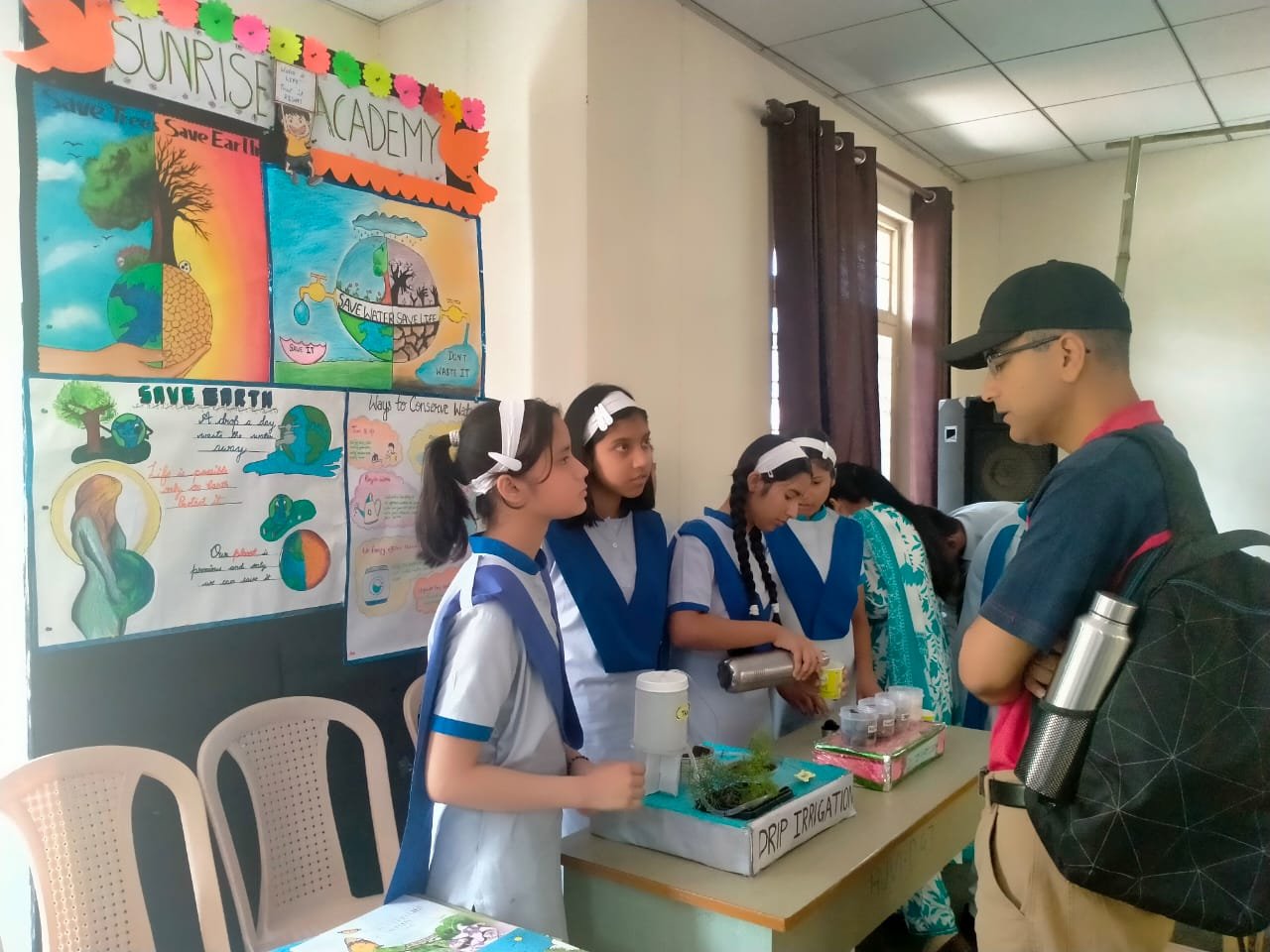
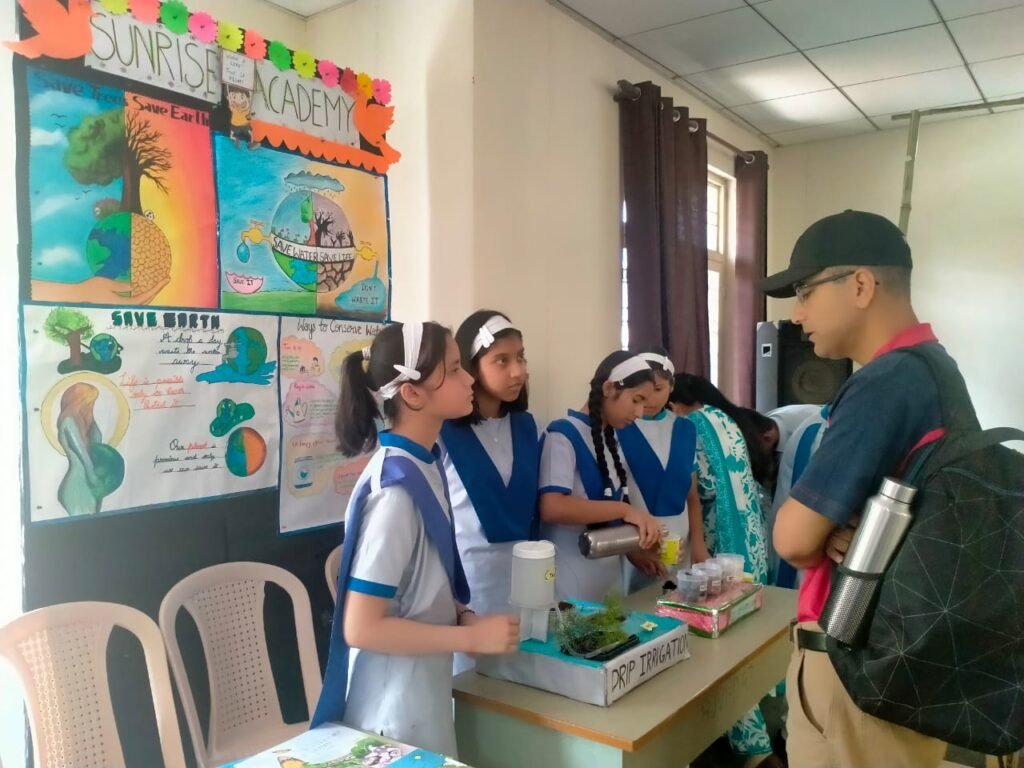
The project displays included topics related to water conservation, environmental protection, saving Earth, and sustainable practices. Colorful charts, handmade models, and working demonstrations made the project area interesting and educational.
One of the noticeable projects was based on drip irrigation. The students demonstrated how water can be supplied directly to plants in a controlled manner. Such projects help students understand how science can be connected with everyday life.
Learning Chemistry Through Practical Projects
Chemistry can sometimes seem difficult when students only study formulas, reactions, and definitions from textbooks. Practical activities make these concepts much easier to understand.
A chemistry practical project allows students to observe things closely and understand how scientific principles work in real situations. While preparing their projects, students also learn how to collect information, organize it, prepare presentations, and explain their work confidently.
The project submission also encouraged students to ask questions and discuss their ideas with their classmates and teachers.
Importance of Project-Based Learning
Project-based learning plays an important role in modern education. It helps students develop skills that are useful not only for examinations but also for their future.
During the project preparation, students get an opportunity to develop:
- Creative thinking
- Problem-solving skills
- Research skills
- Communication skills
- Teamwork
- Presentation skills
- Confidence
- Practical understanding
These skills make classroom learning more interesting and meaningful.
Environmental Awareness Through Student Projects
Many of the projects focused on important environmental topics such as saving water, saving Earth, and protecting natural resources.
Environmental awareness is especially important for young students. Small habits such as avoiding unnecessary water wastage, planting trees, reducing plastic use, and keeping our surroundings clean can make a meaningful difference.
The save water project and drip irrigation model showed how students can combine scientific learning with real-life environmental problems.
Drip irrigation is a good example of using technology and science to reduce unnecessary water usage. Instead of allowing water to spread everywhere, the system provides water close to the roots of plants. This makes it a useful topic for students to explore while learning about water conservation.
Students Show Their Confidence
One of the best parts of a practical project submission is seeing students explain their work.
A student may prepare a beautiful model, but explaining how it works is another important part of the learning process. During the submission, students had the opportunity to discuss their projects and share what they had learned.
Speaking about their own projects can also help students overcome hesitation and become more confident while communicating with others.
Role of Teachers in Practical Learning
Teachers play an important role in making practical education successful. From selecting suitable topics to guiding students during project preparation, their support helps students turn simple ideas into meaningful projects.
Instead of simply giving students answers, teachers can encourage them to explore, ask questions, and find solutions themselves.
This approach makes learning more enjoyable and gives students a sense of achievement when they successfully complete their projects.
Chemistry Practical Project Submission at MAK Computer
At MAK Computer, educational activities such as practical projects provide students with opportunities to learn beyond traditional classroom lessons.
A project submission gives students a chance to combine science, creativity, research, and presentation in one activity. It also shows that learning does not always have to happen through textbooks and examinations.
The enthusiasm shown by the students during the project activity made the submission a memorable learning experience. From preparing charts to demonstrating models and explaining their ideas, every step contributed to their overall development.
A Memorable Learning Experience
The chemistry practical project submission was more than just a school activity. It was a learning experience where students could think creatively, work together, and apply their knowledge to real-world topics.
Projects related to water conservation, environmental awareness, and sustainable solutions also reminded everyone that education can help students understand the problems around them and think about possible solutions.
Such activities encourage students to become curious learners and develop an interest in science.
Conclusion
The Chemistry Practical Project Submission at MAK Computer was a wonderful example of learning through practical activities. Students explored scientific ideas, created projects, presented their work, and learned the importance of teamwork and communication.
The focus on topics such as save water, save Earth, environmental protection, and drip irrigation made the activity even more meaningful.
Practical education helps students understand that science is not limited to textbooks or laboratories. It can be seen in agriculture, water conservation, technology, the environment, and everyday life.
For students, these experiences become valuable memories while also building skills that can help them in their academic journey and future careers.

1 Comment
dffd